Short version: sort it, know what you’re not allowed to just dump, decide how it’s actually leaving your property, and don’t let it sit.
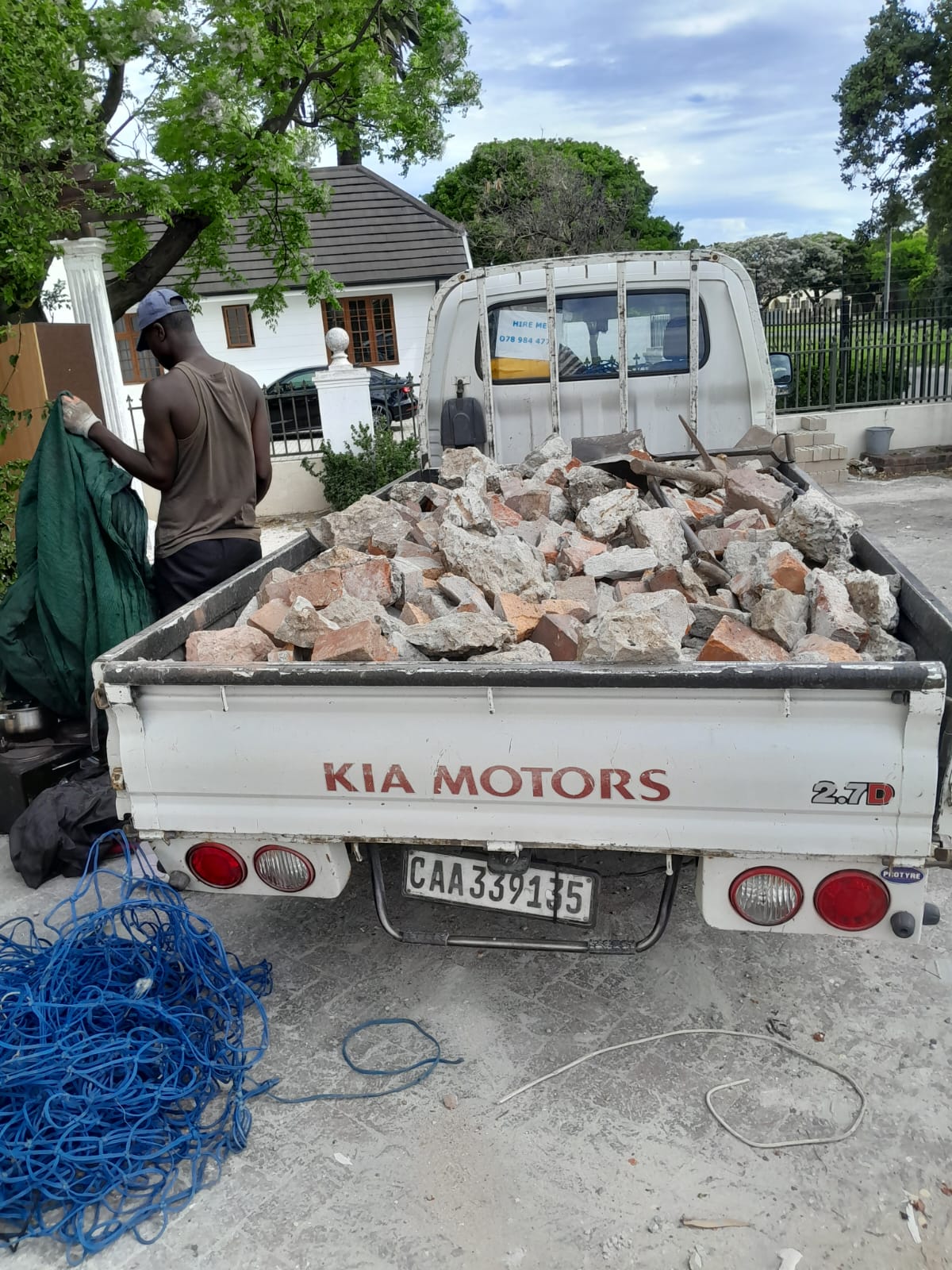
A renovation that goes well right up until the final walkthrough can still end with a pile of brick and rubble sitting in the driveway for weeks, and that pile causes its own problems the longer it’s there. Here’s the actual sequence, in order.
Sort Before You Call Anyone
Before you get a quote from anyone, separate what’s genuinely rubble brick, concrete, tile, plaster, sand from everything else the renovation left behind: offcuts of timber, packaging, old fittings, general site junk. They’re not priced or disposed of the same way, and a mixed pile either gets charged at the higher rate across the board or has to be re-sorted before it can go anywhere.
If you’re not sure what actually counts as builders’ rubble versus general construction debris, sort that out first; it changes both the cost and who can legally take it.
Know What You Can’t Just Dump
A renovation pile sometimes hides things that can’t travel with the rest of it: asbestos sheeting or old floor tiles from older homes, e-waste like an old geyser or extractor fan, leftover paint and solvents. None of it is rubble, and none of it can legally go into a general load.
Getting this wrong isn’t just a compliance problem; it’s the kind of mistake that carries real illegal dumping consequences if it ends up in the wrong load at the wrong site.
Decide How It’s Leaving Your Property
Two realistic options: a skip you load yourself over several days, or a removal company that loads it for you in one visit. Skips need either a private driveway or a road placement permit from the City; a removal company needs neither.
Which one actually costs less depends on your volume, your timeline, and whether you’re willing to do the physical loading, and we’ve broken down exactly when each option wins in our skip hire vs. removal company comparison.
Get a Real Price Before You Commit
Rubble is priced by weight and volume, not a flat per-job rate, so the number depends on how much you actually have and how hard it is to reach.
Rather than guess, check what rubble removal actually costs in Cape Town before you book anyone; it’ll save you from comparing quotes that aren’t measuring the same thing.
Timing and Practical Tips
A few things that make the last stretch of a renovation easier:
- Don’t let it sit. A rubble pile is a trip hazard; it attracts more dumping from passersby if it’s visible from the street, and rain turns loose sand and plaster into a mess that’s harder to clear later.
- Clear it at the end, not mid-project. Removing rubble in stages usually costs more in call-outs than one proper collection once the heavy work is done.
- If you’re in a complex or share access with neighbours, check before you pile anything in a shared driveway or parking area; it’s a common source of friction that’s easy to avoid by asking first.
Book a rubble removal service once you’ve got a firm completion date, not after the pile has already been sitting for a week.
None of this is complicated once you know the order: sort it, flag anything hazardous, pick a removal method that matches your timeline, and get it off the property before it becomes its own problem. When you’re ready, get it removed today and go back to enjoying the renovation instead of looking at what it left behind.